
Small breed
Schipperke Puppies
A small dog with a big personality
We do not have Schipperke puppies on the floor today. Tell us what you are looking for and we will let you know the moment one arrives, or help you find a breed that suits your home just as well.
- Adult weight 10–20 lbs
- Height 10–13 in
- Lifespan 13–15 years
- Exercise 60 min a day
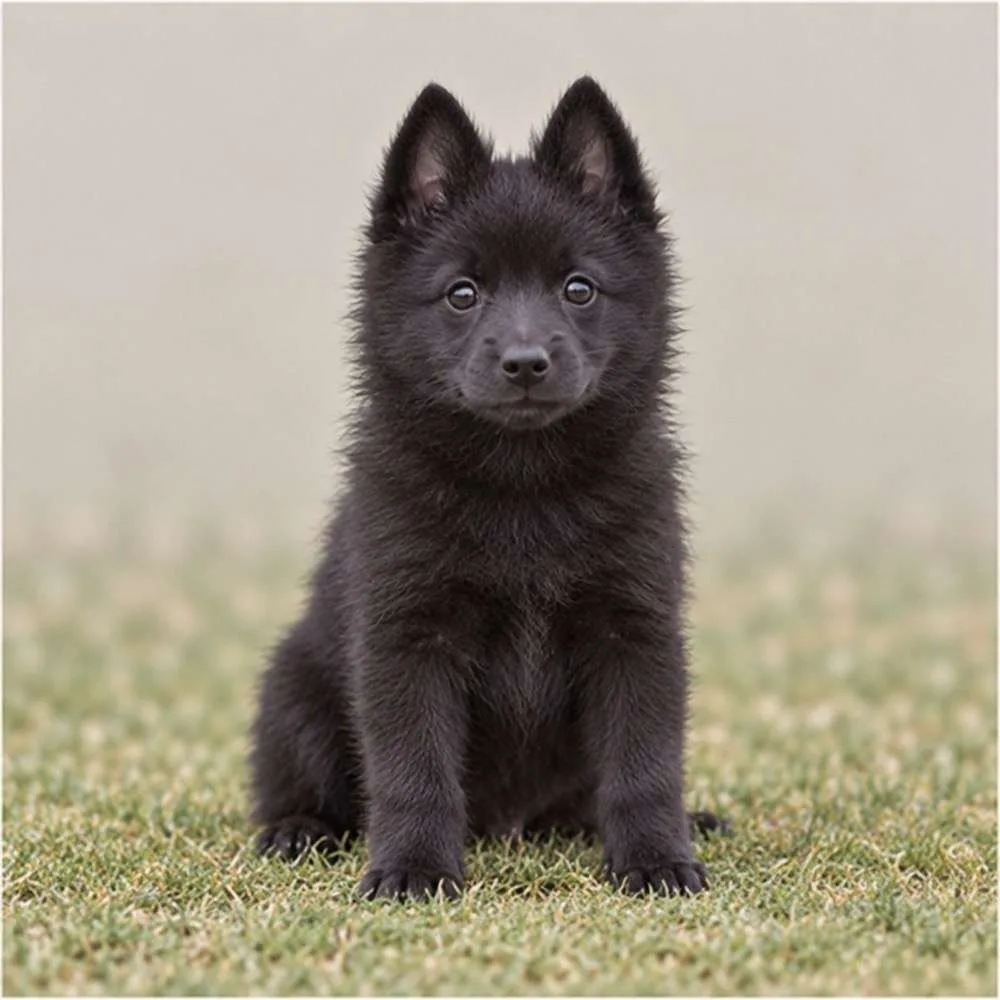
About the Schipperke
The Schipperke is a charming little breed with a rich history that dates back to 16th century Belgium, where they were originally bred as watchdogs and companions. These small dogs are known for their fox-like appearance and boundless energy, making them a delightful addition to any family that appreciates a spirited yet affectionate companion. While they tend to be more reserved with younger children, their lively personality can still appeal to families that enjoy playful interactions and are willing to provide appropriate supervision.
Read more about the Schipperke Show less
With a medium level of energy, Schipperkes thrive on daily walks and engaged playtime, which keeps them mentally and physically stimulated. Their apartment-friendly nature means they adapt well to smaller living spaces, as long as they receive regular exercise. Although they do shed moderately, their grooming needs are manageable, requiring a weekly brush to keep their coat looking its best.
Intelligently curious, Schipperkes are quite trainable and often excel in learning new commands and tricks, which adds to their appeal as family pets. However, their strong barking tendency can sometimes lead to a noisy household if not managed effectively. Overall, the Schipperke is an affectionate breed that brings joy and excitement to daily life, making them a perfect choice for those looking to welcome a vibrant companion into their home. If you’re considering adding a Schipperke to your family in Petland Naples Florida, be prepared for a small dog with a big heart.
Schipperke breed profile
Every score below is set by our team for this breed. Higher is simply more of that trait, not better or worse.
Temperament
-
Affection Very affectionate
-
Playfulness Always game
-
With strangers Cautious
-
Territorial Very territorial
-
Prey drive High
Family & other pets
-
Young children Older kids only
-
Older children With care
-
Other dogs Usually fine
-
Cats Needs care
Energy & exercise
-
Energy Very high
-
Mental stimulation High
Training
-
Trainability Quick to learn
-
Intelligence Very bright
-
Stubbornness Stubborn
Care & upkeep
-
Shedding Light
-
Drooling None to speak of
-
Barking Vocal
Home life
-
Apartment living Good
-
Time alone Most of a day
-
Cold weather Average
-
Warm weather Average
A good match for
-
First-time owners Good first dog
-
Senior owners Suitable
-
Running partner Good
-
Hiking Good
-
Therapy work Possible
-
Guarding Protective
Living with a Schipperke
Temperament & Family Fit
The Schipperke is a small dog with a big personality! Known for their lively and curious nature, they can make wonderful companions for families that are prepared for a playful and spirited friend. While they may not be the best fit for homes with very young children, their affectionate demeanor makes them loving members of the family for those with slightly older kids.
Energy & Exercise
This breed has a moderate energy level, so they will enjoy daily walks and plenty of playtime to burn off some steam. Despite being apartment-friendly, they still require mental stimulation and engaging activities to keep their sharp minds busy. Regular exercise will help curb their barking tendency and ensure they’re happy and well-adjusted.
Care & Grooming
Grooming a Schipperke is relatively easy, as they require weekly brushing to keep shedding in check and maintain their beautiful, thick double coat. Their playful nature means they may get into a bit of dirt during outdoor adventures, so regular grooming will keep them looking their best. Just be sure to keep an eye on their ears and teeth as part of their overall care routine.
Training Notes
Training a Schipperke can be a rewarding experience, as they are fairly trainable and eager to please—just remember to keep sessions fun and engaging! Consistency and positive reinforcement work wonders with this breed, though their spirited personality may require a patient approach. With the right encouragement, you’ll have a well-behaved companion ready to showcase their clever tricks.
Caring for a Schipperke
- Grooming
- Weekly brushing
- Grooming cost
- Low
- Monthly food
- Average
- Outdoor space
- A yard is recommended
- Allergy friendly
- Not considered hypoallergenic
Frequently Asked Questions
What is the temperament of a Schipperke like?
Schipperkes are known for their lively and affectionate personalities. They thrive on interaction and often form strong bonds with their families. While they can be a bit reserved around strangers, their playful spirit shines through once they feel comfortable.
How much exercise does a Schipperke need?
Schipperkes are quite energetic and require regular exercise to keep them happy and healthy. Daily walks, playtime, and mental stimulation are important to satisfy their energy levels. They enjoy activities that engage their curious minds, so incorporating some training or puzzle toys can be beneficial as well.
Are Schipperkes good with kids and other pets?
While Schipperkes can be playful and affectionate, they may not be the best fit for families with very young children, as they can sometimes be a bit aloof. With proper introductions, they can get along with other dogs and cats, but they're known to have a moderate level of tolerance. Supervision during playtime is always a good idea to ensure everyone's happiness.
How much shedding can I expect from a Schipperke?
Schipperkes have a moderate shedding level, which means you'll experience some fur around the house. Regular brushing, about once a week, will help manage their coat and keep it looking its best. If you're willing to keep up with their grooming, they can make a lovely addition to your home.
Are Schipperkes easy to train, and how much do they bark?
Schipperkes are fairly trainable, thanks to their intelligence and eagerness to please, but consistency is key. They do have a tendency to bark, which can be a trait to consider if you live in close quarters or an apartment. Engaging training sessions can help minimize excessive barking and redirect their energy into positive behaviors.