Large breed
Komondor Puppies
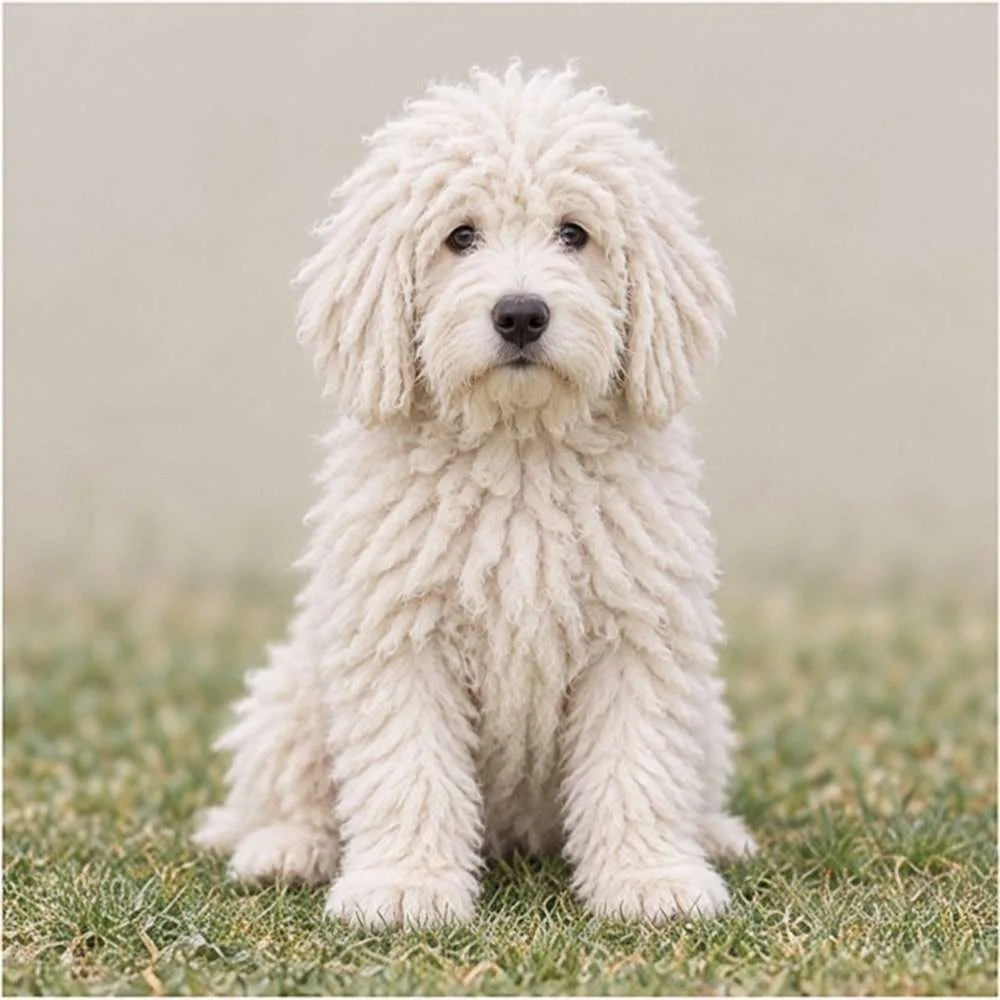
Loving guardian with an impressive coat
We do not have Komondor puppies on the floor today. Tell us what you are looking for and we will let you know the moment one arrives, or help you find a breed that suits your home just as well.
- Adult weight 80–120 lbs
- Height 25–30 in
- Lifespan 10–12 years
- Exercise 30 min a day
About the Komondor
The Komondor, a breed with ancient roots hailing from Hungary, is known for its distinctive corded coat that provides excellent protection against harsh conditions. Originally bred for guarding livestock, these large and powerful dogs are both loyal and protective, making them excellent companions for families who appreciate a devoted guardian. While they may not be the most outgoing with other dogs, their gentle nature shines through with children and other pets, especially cats, highlighting their capacity for warmth and affection.
Read more about the Komondor Show less
When it comes to energy and exercise, the Komondor prefers a laid-back lifestyle. With a lower energy level, they do not require extensive exercise, making them apt for families who enjoy leisurely walks and relaxed adventures. However, their impressive size means that they will benefit from regular activity to maintain a healthy weight. Grooming is a significant part of caring for these dogs; with their unique coat requiring professional grooming to manage shedding and upkeep aesthetics, monitoring their grooming needs is essential for aspiring owners.
In terms of trainability and intelligence, Komondors can be somewhat headstrong, requiring patient and consistent training approaches. Their tendency to bark makes them vigilant watchdogs, alerting you to any nearby activity. Prospective owners will find that while these dogs are not typically apartment-friendly due to their size and vocal nature, the bond they create with their families is profound and rewarding. If you’re considering welcoming a Komondor into your home, you will find a loving, loyal companion who will enrich your family’s life. For those near Petland Naples Florida, stop by to discover if this remarkable breed might just be the perfect fit for you.
Komondor breed profile
Every score below is set by our team for this breed. Higher is simply more of that trait, not better or worse.
Temperament
-
Affection Very affectionate
-
Playfulness Calm
-
With strangers Wary
-
Territorial Very territorial
-
Prey drive Low
Family & other pets
-
Young children Older kids only
-
Older children With care
-
Other dogs Prefers to be the only dog
-
Cats Usually fine
Energy & exercise
-
Energy Relaxed
-
Mental stimulation Moderate
Training
-
Trainability Takes patience
-
Intelligence Very bright
-
Stubbornness Stubborn
Care & upkeep
-
Shedding Heavy
-
Drooling A drooler
-
Barking Vocal
Home life
-
Apartment living Prefers a house
-
Time alone Most of a day
-
Cold weather Thrives in it
-
Warm weather Average
A good match for
-
First-time owners Some experience helps
-
Senior owners Demanding
-
Running partner Short distances
-
Hiking Good
-
Therapy work Unlikely
-
Guarding Strong guardian
Living with a Komondor
Temperament & Family Fit
The Komondor is a gentle giant known for its affectionate nature. They can be wary of strangers, making them excellent guardians for families. With their loving demeanor, they often form strong bonds with children and provide a comforting presence in the household.
Energy & Exercise
This breed has a moderate energy level, which means they enjoy regular walks and playtime but can also appreciate some downtime. While they don’t require intense exercise, daily activity is essential to keep them healthy and happy. A leisurely stroll or some fun in the backyard will be enough to satisfy their needs.
Care & Grooming
Grooming a Komondor is quite a commitment due to their unique corded coats, needing professional grooming to keep them in tip-top shape. Their shedding level is high, so be prepared for extra fluff around the house. Regular grooming sessions are important not just for aesthetic reasons, but also to maintain their coat health.
Training Notes
The Komondor is fairly trainable, but consistency and patience are key. They can be stubborn at times, so positive reinforcement is the best approach. Socialization is vital to help them feel comfortable around other dogs, as they can be aloof with unfamiliar pets, but they often get along well with cats.
Caring for a Komondor
- Grooming
- Professional grooming
- Grooming cost
- High
- Monthly food
- High
- Outdoor space
- A yard is recommended
- Allergy friendly
- Not considered hypoallergenic
Frequently Asked Questions
What is the size and temperament of a Komondor?
Komondors are large dogs, known for their impressive size and unique corded coat. They are generally affectionate and loyal, making them great family companions, but they can be quite protective, so socialization is important.
How much exercise does a Komondor need?
While Komondors have a moderate energy level, they still require regular exercise to keep them happy and healthy. Daily walks and some playtime will help satisfy their needs, but they are not overly demanding in terms of activity.
Are Komondors good with children and other pets?
Komondors can be gentle with young kids, but their protective nature means supervision during interactions is wise. They tend to get along better with cats than with other dogs, as they may not have the same level of tolerance for canine companions.
What is the grooming requirement for a Komondor?
Owning a Komondor involves a commitment to grooming, as their unique coat requires professional care to prevent matting. Regular grooming is essential, and many owners find a professional groomer is best equipped to handle their special coat type.
How trainable are Komondors?
Komondors are fairly trainable, but they can be a bit stubborn due to their independent nature. Consistent, positive reinforcement techniques work well with them, and early socialization and obedience training are recommended to help them thrive.